Explain Different Ways to Do Data Binding in Angular
When the component gets new data the Angular updates the view. There are mainly three types of one way data binding they are-Interpolation.
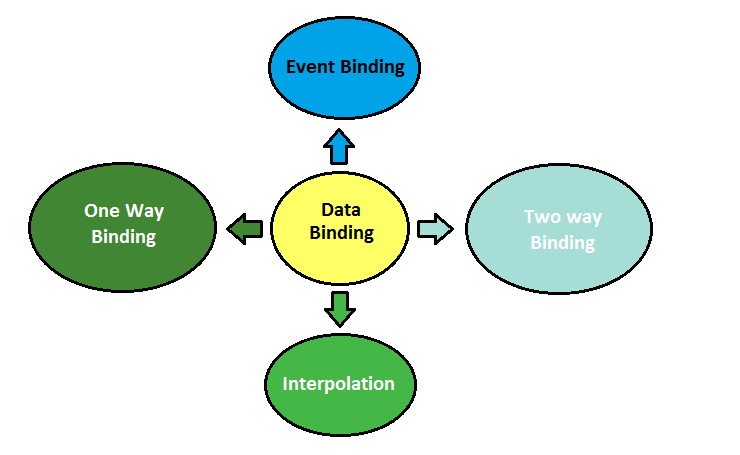
Learn About The Different Types Of Data Bindings In Angular 2
Angular v2 supports two-way data binding using ngModel directive and also by having getter and setter methods.

. The ngModel directive with syntax also known as banana box syntax syncs values from the UI to a property and vice-versa. Whenever we want to develop any web application then we need to focus on two fundamental things the Data and the UI and it is more important for us to. When data in the model changes the view reflects the change and when data in the view changes the model is updated as well.
Two-way binding and the interpolation. One-way and two-way data binding are two of the important ways by which we can exchange data from. Data binding is an important concept among the three core concepts of Angular 2.
One Way Data Binding. The two-way binding has a feature to update data from component to view and vice-versa. In this method we.
The various types of binding in angularJS are as follow. Adding two-way data binding link. Data binding is a technique where the data stays in sync between the component and the view.
Whenever the user updates the data in the view Angular updates the component. Types of Data Binding in AngularJS. When we want to pass some value to our subject we will use our respective set.
In simple words if you compare this with MVC applications it is similar to the process of how we synchronize the data between the View to Model and Model to View. Brief of Data Binding. Two-way data binding is a combination of property binding and event binding it listens for events and updates values to the view simultaneously.
One Way Data Binding. Data binding is one of the most powerful and important features in a software development language. This happens immediately and automatically which makes sure that the model and the view is updated at all times.
To resolve this problem Angular provides two-way data binding. In this lesson I provide four different methods for sharing data between Angular components. You can show models to the user dynamically Change element style.
There are several ways to bind data between components and view in Angular. From template HTML view to component Type Script code in the form of event binding. In AngularJS it is the automatic and instantaneous synchronization between model and view different layers of AngularJS.
Angular supports these different types of data binding which we will discuss through examples. One-way data binding will bind the data from the component to the view DOM or from view to the. You can very easily tackle this.
Sharing Data via Input. There are four different types of ways through which we can do data bindings in Angular 2 namely event binding unidirectional binding ie. What different types of data binding does Angular support.
Two Way Data Binding. Data binding is an alternative to manually pushing application data values into HTML attaching event listeners pulling changed values from the screen and updating application data values. Use to bind from view to source.
Two way-data bindings between two components 1- SetInputString SetSearchString. This is probably the most common and straightforward method of sharing data. Angulars two-way binding syntax is a combination of square brackets and parentheses.
Place the expression or statement to the right of the equal sign within double quote characters. One-way and Two-way Data Binding in Angular Introduction. In the right-form method we are calling this method with the input string.
In Angular the two different types of Data Binding are-One way data binding. One-way binding bi-directional binding ie. Angular uses the syntax for two.
The Parent-Child-Sibling structure of our Angular app. String interpolation property binding event binding and two-way data binding. In Angular One-way data binding is achieved through.
From component Type Script code to template HTML view in the form of String interpolation property binding. In One Way Data Binding the data flows in one direction. One Way Data Binding.
Use to bind from source to view. A discussion of the four important types of data binding in Angular applications. In Angular 2 Data Binding is mainly classified in two ways - one-way binding ie.
In one-way data binding the flow of data restricts to one side only and that is from model to view. Consider the situation where we need to transfer the data from the componentmodel to the view or vice versa. Data binding in AngularJS is the synchronization between the model and the view.
It follows a unidirectional approach. Angular provides four types of data binding and they are different on the way of data flowing. Angular one way data binding provides unidirectional binding either.
Use to bind in a two way sequence of view to source to view. In two-way databinding automatic synchronization of data happens between the Model and the View. There are many uses of data binding.
Interpolation or String Interpolation. It works by using the Input decorator to allow data to be passed via the template. The syntax combines the brackets of property binding with the parentheses of event binding as follows.
Two way data binding. So whenever the user changes the value on UI the corresponding property value will get automatically updated. The binding punctuation of and the prefix specify the direction of data flow.
In Angular two-way binding both of these one way bindings are combined to. Unidirectional binding and two-way binding ie. Two-way data binding on the other hand allows synchronization of data in such a way that the views can be updated using the models and the models can be updated using views.
Here change is reflected in both components. It either flows from component to view or from view to component.
Data Binding In Angular Dzone Web Dev

Angular Data Binding Types Of Data Binding In Angular 8 Edureka

Data Binding In Angular Application Dot Net Tutorials

One Way And Two Way Data Binding With Examples In Angular
No comments for "Explain Different Ways to Do Data Binding in Angular"
Post a Comment